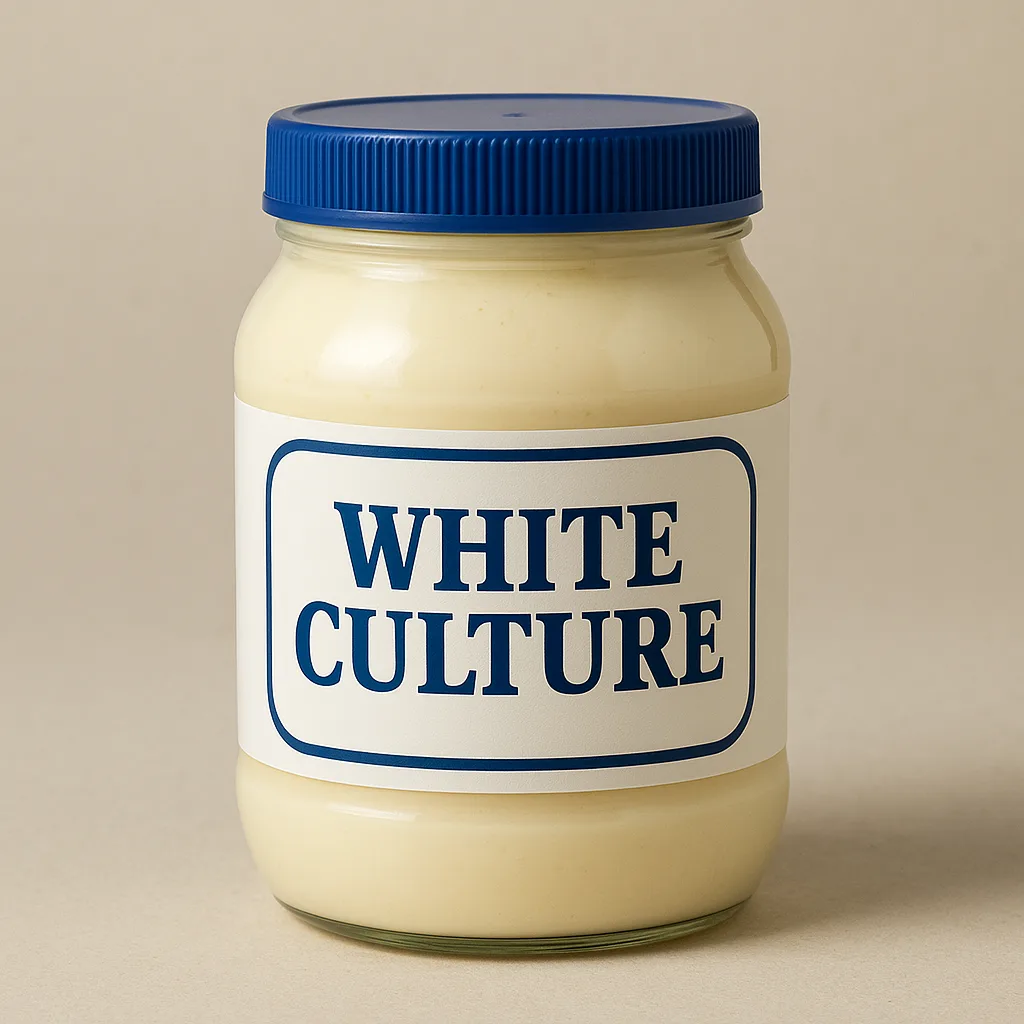
There’s been a lot of noise about Cracker Barrel’s rebrand. Not from design nerds, not from marketers, but from the defenders of “heritage.” Apparently, the new logo is the Alamo of whiteness.
If we ever needed proof that there’s no such thing as “white culture,” this is it. Because if the hill you choose to die on is a chain restaurant that sells rocking chairs, hashbrown casserole, and nostalgia for an America that never really existed—then the culture in question is less tradition and more corporate décor with gravy on top.
Other cultures hold onto food, music, language, ritual. White culture, it seems, clings to brand fonts. The outrage isn’t really about Cracker Barrel’s logo—it’s about the recognition that if you strip away the logos, the commercials, and the gift-shop tchotchkes, there’s not much left to wave around as “ours.”
Of course, I get why some people feel threatened. For many, these places are tied to memory—family road trips, Sunday meals, a sense of continuity in a world that keeps shifting. The anxiety is real, even if the object it attaches to is absurd. But that’s exactly the point: when identity is built around corporate nostalgia, every rebrand feels like an existential threat.
And here’s the deeper truth Mary Ann and I landed on: what we call “white culture” was never really a culture of its own. At its most generous, it aspired to be a melting pot—a gathering and amalgamation of the world’s great traditions under one roof. A vision of unity, however messy, through shared space and shared invention.
But as we’ve turned away from that ideal—toward honoring distinctions, protecting authenticity, and resisting erasure—what’s left behind as “white culture” is only the residue: chain restaurants, fast food slogans, corporate nostalgia packaged as heritage. A kind of thin veneer trying to pass for depth.
Which is why the Cracker Barrel reaction feels both comic and tragic. Comic, because it’s absurd to mistake a logo redesign for cultural collapse. Tragic, because it reveals the fragile hollowness of what’s been mistaken for tradition all along.
Because in the end, if your heritage can be undone by a change in font, it was never heritage at all.