As the World Cup gets underway, there has been something else happening alongside it that I can’t seem to get enough of.
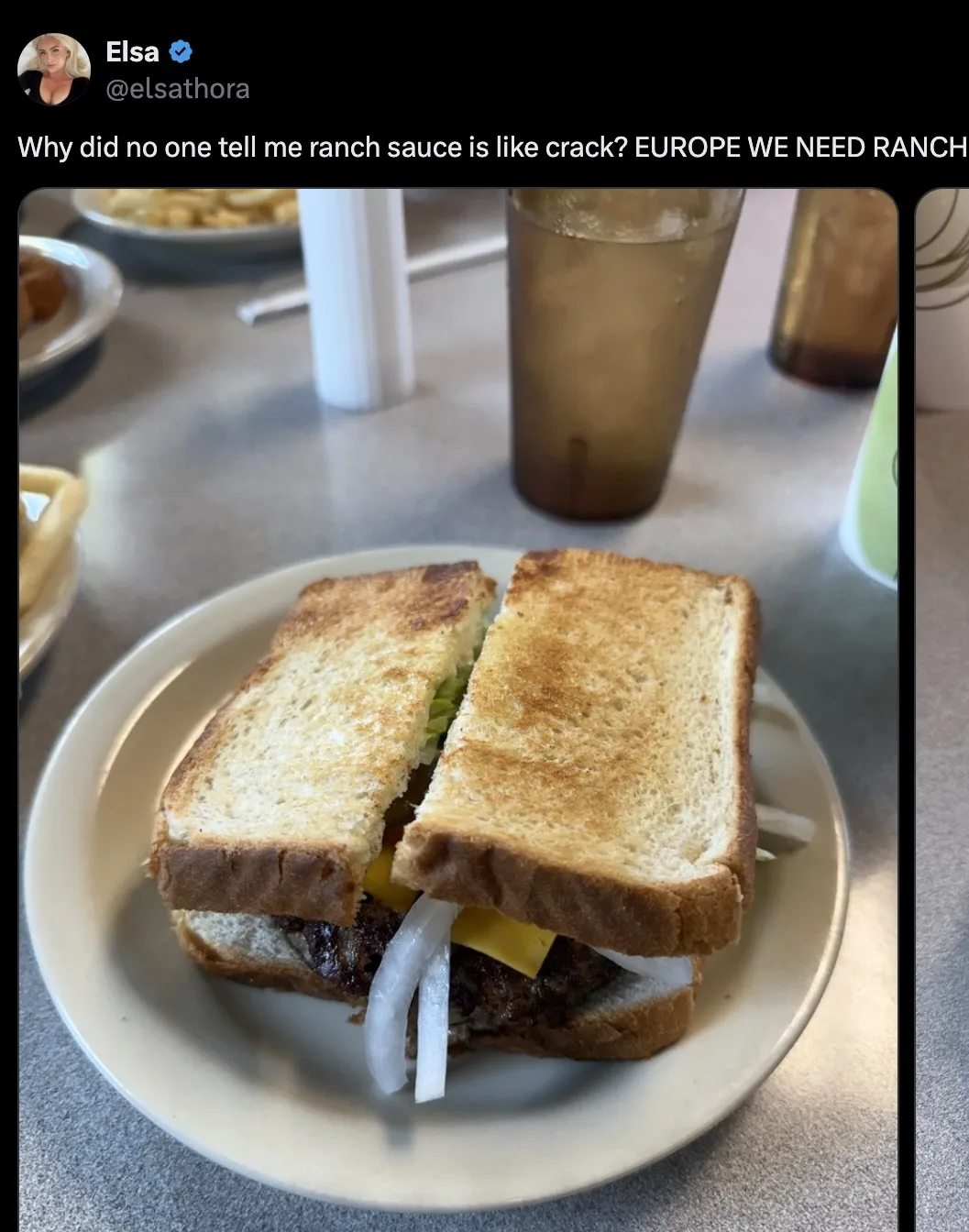
Travelers from around the world have been arriving in the United States and documenting their experiences on TikTok, Instagram, and YouTube. Some are taking road trips through the South. Others are staying in small towns in Kansas or driving through stretches of the country that most Americans fly over without a second thought. They came here for soccer, but many seem to have stumbled into something else entirely.
And they are having the time of their lives.
I’ve watched videos of visitors standing in awe of landscapes I’ve spent most of my life taking for granted. I’ve watched people from Europe walk through a gas station and react as if they’ve discovered a futuristic civilization because there are seventy-two fountain drink options and an entire aisle dedicated to beef jerky. I’ve seen travelers marvel at the friendliness of strangers, the scale of the country, and the sheer variety of experiences available within a single day’s drive.
What has struck me most is not what they’re discovering. It’s what they’re helping me remember.
Like many people, I spend too much time online. The internet has become remarkably efficient at showing us everything that is wrong with the world. Every scandal, every outrage, every terrible decision made by every terrible person. If you stare at that stream long enough, you can begin to believe that it represents reality itself. The problem is that it doesn’t. It represents what captures attention.
The algorithms want conflict. They want fear. They want certainty. They want us convinced that the latest catastrophe is the only thing worth noticing. But these travelers seem blissfully unaware of that arrangement. They arrive with fresh eyes, and because they have fresh eyes, they notice things the rest of us stopped seeing years ago.
They notice the kindness of a stranger making conversation in line. They notice the beauty of a sunset stretching across the Great Plains. They notice the charm of a small-town diner. They notice the absurd abundance of an American grocery store. They notice things that have become invisible to those of us who encounter them every day.
The funny thing is that these travelers aren’t really showing me America. They’re showing me what I’ve stopped noticing about America. They are reflecting something back that familiarity slowly erased. Not because the wonder disappeared, but because I stopped seeing it.
And perhaps that’s true of more than countries.
We stop seeing our hometowns. We stop seeing our relationships. We stop seeing our daily routines. We stop seeing the remarkable hidden inside the ordinary. Familiarity has a way of turning miracles into furniture. Then, every once in a while, an outsider arrives and hands our reality back to us.
That doesn’t mean America is perfect. It isn’t. We have real problems, serious problems, and pretending otherwise serves no one. But love doesn’t require blindness. In fact, I suspect the healthiest form of love requires seeing clearly. You can recognize injustice and still appreciate beauty. You can criticize your country and still care deeply about it. You can be frustrated by its leaders while remaining grateful for its people.
The travelers I’ve been watching haven’t convinced me that America is flawless. They’ve reminded me that it is worth remembering. Worth appreciating. Worth improving. Worth fighting for. Worth voting for. Worth being proud of.
The next outrage will arrive soon enough. There will be another scandal, another argument, another reason to despair about the state of things. When it does, I hope I remember these videos. I hope I remember a German tourist staring at a Midwestern sunset, the family discovering a small-town diner, and the traveler wandering through a gas station as though it were one of the great wonders of the modern world.
Most of all, I hope I remember the lesson they offered without meaning to: sometimes the fastest way to see your home clearly is through the eyes of someone seeing it for the very first time.