I was raised in the pre-internet era, when knowledge wasn’t algorithmically optimized for engagement. Instead, it was found in weird places—dusty library corners, forgotten textbooks, and, in my case, Uncle John’s Bathroom Reader.
For those unfamiliar, Uncle John’s Bathroom Reader was exactly what it sounded like—a brick-sized tome of miscellaneous trivia designed for prolonged toilet contemplation. If you wanted to know how the Eiffel Tower shrinks in cold weather, which U.S. president once got stuck in a bathtub, or why we used to think tomatoes were poisonous, this book had you covered.
And I devoured it.
Not because this knowledge had any real-world utility, but because it felt good to know things.
Back then, learning wasn’t always tied to productivity. We weren’t hoarding knowledge to optimize our careers or win internet debates. Sometimes, we just… learned stuff because it made the world more interesting.
And somewhere along the way, we lost that.
Throughout history, societies have alternated between embracing and rejecting useless knowledge.
The Ancient Greeks saw no issue with learning for its own sake—Plato and Aristotle were basically the original trivia nerds. Renaissance polymaths were notorious for studying everything; Leonardo da Vinci spent years sketching flying machines that would never get built, simply because the idea fascinated him. The Victorians, ever the collectors, devoted decades to classifying beetles, pressing ferns, and hoarding fossils.
But then came the Industrial Revolution. Suddenly, knowledge wasn’t just something to be collected—it had to be useful. Education systems shifted to train workers, not thinkers. Learning became a means to an end, rather than an end in itself.
And today, in the algorithm-driven digital age, knowledge is expected to be either monetized or discarded. If something can’t be sold, optimized, or converted into a career skill, what’s the point?
But what if we reject that premise?
What if we return to the joys of knowing things for no reason?
Despite modern pressures to optimize everything, there are still hidden sanctuaries where curiosity thrives. Wikipedia’s “Random Article” button remains a portal into pure, untamed knowledge—you click once and suddenly find yourself reading about a rare 17th-century Finnish wind instrument. Subreddits like r/TodayILearned prove that people still love random trivia, even if it won’t improve their credit score. Atlas Obscura functions as the last great bastion of weird knowledge tourism, filled with guides to underground salt cathedrals and abandoned Soviet-era amusement parks. And trivia podcasts like No Such Thing As A Fish continue the noble tradition of answering questions that no one actually asked.
These places remind us that not all knowledge has to be useful to be valuable.
And that’s what makes it so powerful.
Here’s the thing about useless knowledge: it feels good.
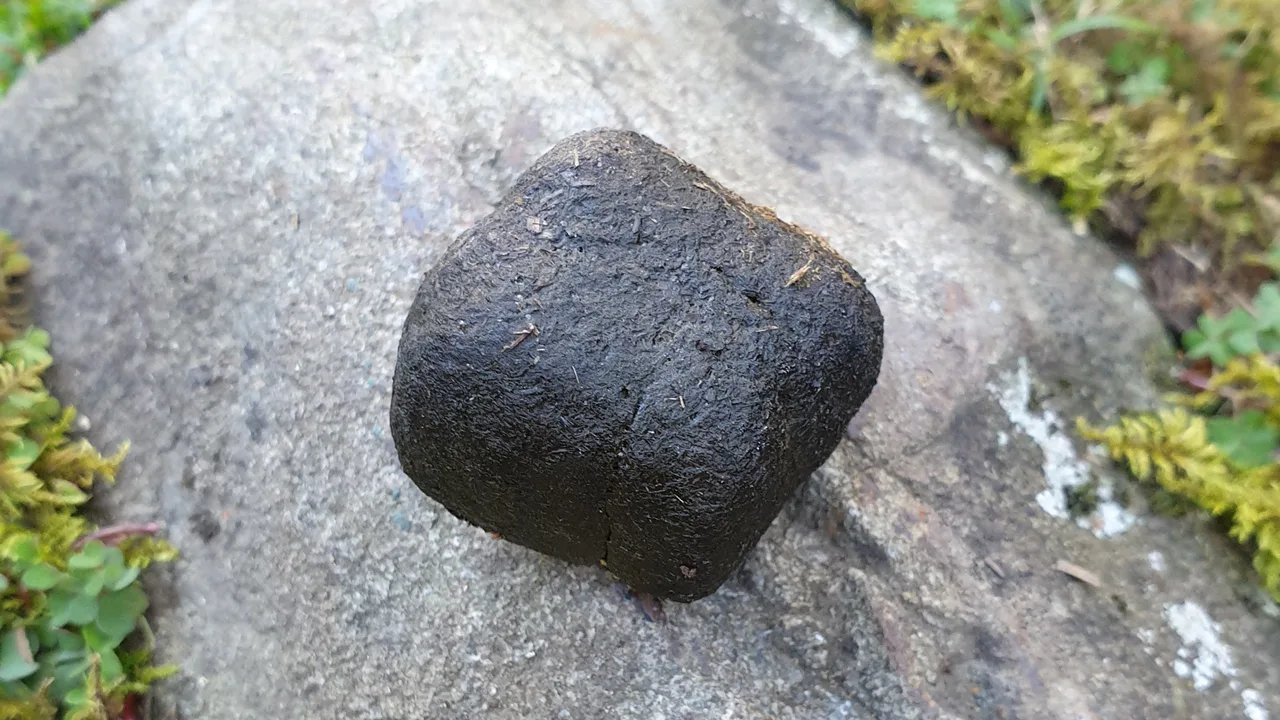
Did you know that wombats poop cubes? That bananas are all clones? That the Guinness Book of World Records was originally invented to settle bar fights?
These facts will not help me survive the apocalypse. They won’t make me richer. But when I learned them, I thought, Huh, that’s interesting.
And sometimes, that’s enough.
One of the unexpected benefits of useless knowledge is that it makes you a better conversationalist. At some point, we all experience the boomerang effect of trivia—when some obscure fact you read fifteen years ago suddenly becomes relevant in casual conversation.
Picture this: You’re at a party, and someone mentions how expensive lobster is. And suddenly—BAM—you’re the person who knows that lobster was once considered garbage food. That in the 1800s, prisoners in New England petitioned to stop being fed so much lobster because it was considered cruel and unusual punishment.
Now you’re the most interesting person in the room.
There’s something beautifully human about these moments. Useless knowledge is a social glue—it’s what makes people go, “Wait, seriously? Tell me more.” It creates tiny shared moments of delight, connecting us through curiosity.
In a way, it reminds us why we started learning in the first place.
We spend so much time optimizing our learning—taking courses, curating our information diets, pruning our attention like an over-managed bonsai tree—that we forget the simple pleasure of knowing something dumb, just because it’s cool to know it.
In a way, useless knowledge is a form of mindfulness.
It asks nothing of you. It doesn’t demand action.
It just… exists.
And you can choose to appreciate it or not.
It’s the mental equivalent of skipping rocks across a lake—a simple, joyful act of engagement with the world.
I won’t let you leave empty-handed.
Here’s my final gift to you:
If you put grapes in the microwave, they explode into tiny plasma balls.
Now go forth, and learn something ridiculous today.