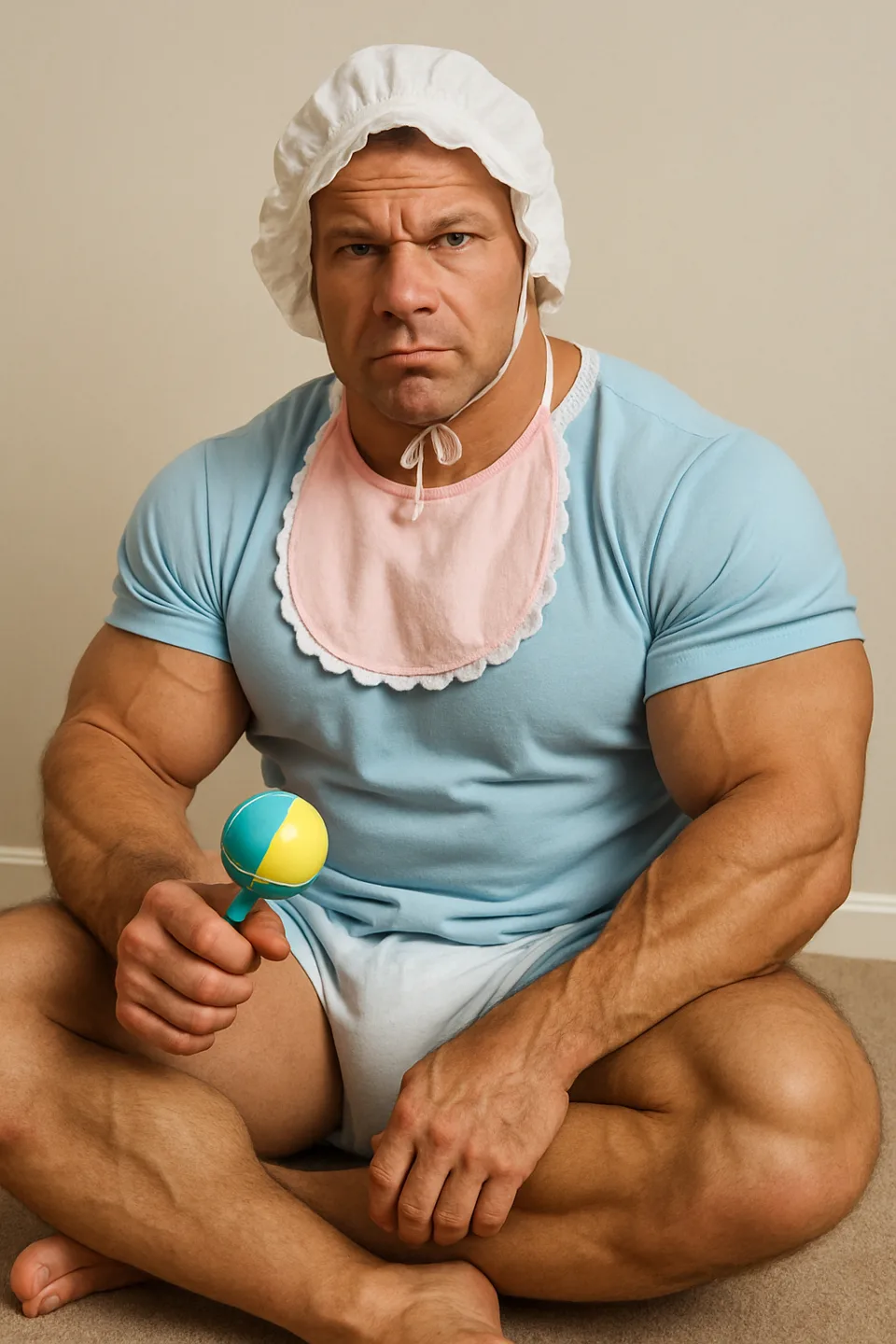
We live in a time and a place where the idea of “traditional manhood” is being pitched—sometimes desperately—as the antidote to a modern world in flux. From politicians boasting about “alpha male” leadership to men on social media claiming women need them as “the rock in the storm,” it’s a narrative that feels both archaic and painfully insecure.
Let’s name it clearly: the world is changing. And with that change comes a challenge to the old structures of power and identity. The systems that once privileged brute force and unyielding authority—traits historically aligned with masculinity—are no longer the defining currency of our era.
I look around, and what I see is a different story. It’s the women in my life—and in society at large—who keep the world turning. Women who bear children and raise them, women who work jobs and lead families, women who navigate emotional landscapes with a strength that’s too often dismissed as “soft.” Yes, men may carry more brute strength, but in a modern world where hitting things rarely solves problems, that strength feels more like a relic than an advantage.
So why the sudden push for a return to “strong manhood”? Because, I suspect, men at large—consciously or not—are beginning to realize they’re no longer the center of gravity. The narrative of “traditional masculinity” is a last-ditch effort to assert relevance in a world that increasingly values collaboration, empathy, and adaptability over domination.
And it’s not just men clinging to power. Across the globe, we’re witnessing the death throes of systems built on centralized authority: dictators who fear decentralized information; billionaires who fear the end of unchecked capitalism; men who fear the evolution of gender roles. These structures are crumbling, and with them, the illusions that kept certain groups in control.
What’s so striking is that the so-called “feminine” traits—empathy, adaptability, emotional intelligence, collaboration—are not just “soft skills” anymore. They’re the very qualities that allow humanity to thrive in a complex, interconnected world. My best traits, I’ve come to realize, are the ones I once considered feminine. They are the parts of me that have survived the rage of masculinity and emerged stronger.
Here’s the truth: the pushback against modern life is less about protecting civilization and more about protecting the illusion that men—and their power—are essential to it. But the world is moving on. The systems that served the old guard are being replaced by networks that reflect the distributed, dynamic nature of life itself.
It’s an unsettling time for those who equate their worth with control. But for those willing to embrace the power of the feminine, it’s a time of liberation and expansion. We’re witnessing the transformation of human identity itself—an alchemical shift from a culture of force to a culture of flow.
And while I can’t wait to see the old systems finally crumble, it’s no less heartbreaking to watch them grasp for every last ounce of control. This is the dying breath of an old world—and the first gasp of a new one.