We left off inside collapse.
Not the cinematic kind with sirens and rubble, but the quiet, algorithm-smoothed kind—the one that delivers your food fast while your landlord raises the rent. The kind where every restaurant is Taco Bell, every identity is brandable, and the checkout page loads faster than the water crisis.
But collapse isn’t the end.
It’s a threshold.
And thresholds—if you know how to watch—are full of recursion.
Not Optimism—Refusal
Let’s be clear: hope isn’t about good vibes.
Hope, in a moment like this, is disobedient.
It’s refusing to let the system tell you what you are.
Refusing to accept that joy is a luxury.
Refusing to believe that nothing can change because everything feels stuck.
Hope is not a posture. It’s pressure.
It’s applied tension. A form of cognitive resistance against the flattening.
If Late Stage Capitalism is the mirror showing you a distorted version of yourself—overworked, underpaid, algorithmically entertained—then hope is the act of breaking the mirror. Or at least, refusing to pose for it anymore.
Proof of Life
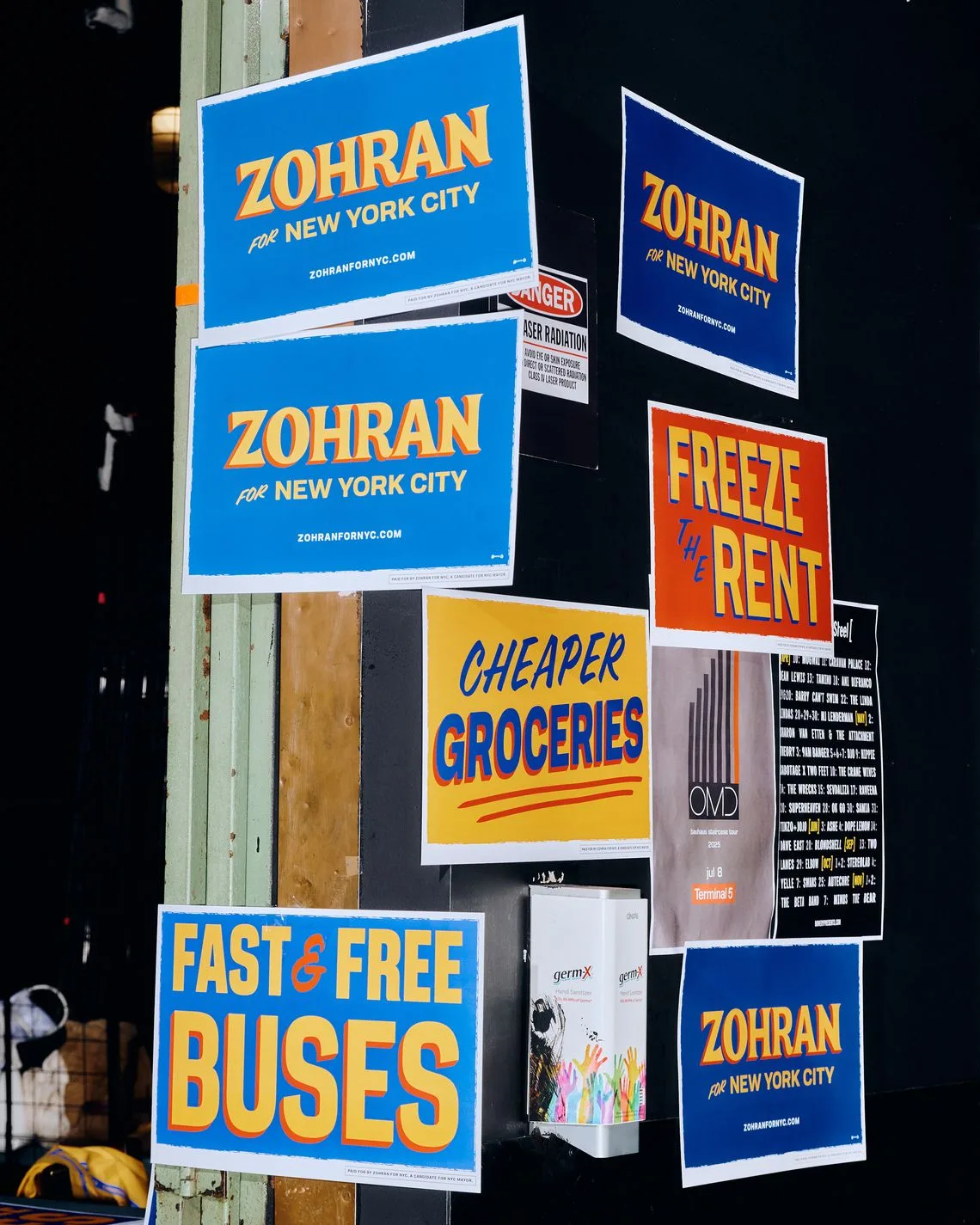
Let’s talk about Zohran Mamdani.
A democratic socialist in New York. A movement organizer. A candidate who refuses to treat politics like branding. He doesn’t triangulate. He doesn’t dilute. He speaks about housing as a human right, names structures of oppression, stands with Palestine, and wins.
And not just any win—he beat former Governor Andrew Cuomo in the Democratic primary for New York City mayor. Cuomo entered the race late but with deep institutional support: Clinton and Bloomberg endorsed him. PAC money poured in. Polls leaned his way. He was a known brand, a “return to stability.” Mamdani was a first-term assemblyman backed by movement groups, community organizers, and small donations.
This wasn’t supposed to happen. But it did.
It wasn’t just an electoral upset.
It was recursion: the political equivalent of the system glitching, revealing that its inevitability was just an illusion.
When the System Panics
And the system did panic.
In the hours after Mamdani’s victory, the backlash came hard and loud.
Rep. Laura Gillen called him “too extreme to lead New York.”
Wall Street analysts warned of capital flight.
Kathryn Wylde, who speaks for the city’s top CEOs, said business leaders were “terrified.”
Investors muttered on X about “hot commie summer” and NYC “committing suicide by mayor.”
The panic wasn’t just disagreement. It was a tell.
A survival reflex from a system that thought itself untouchable.
The tone bordered on apocalyptic—not because Mamdani did anything outrageous, but because he won. Because he offered a model that didn’t require billionaire blessing. Because he cracked the mirror and others saw themselves inside it.
Hope that threatens power is proof it’s real.
Forcing the System to Shift
In Forcing Theory, systems don’t evolve through good intentions.
They evolve when recursive pressure exceeds resistance.
When enough cracks form, and enough people stop looking away.
These small acts—organizing, refusing, imagining—are force multipliers.
Mamdani’s win didn’t cause panic because it was symbolic.
It caused panic because it was structural.
Because it proved something else could gain traction. Could scale.
Collapse creates space.
But it’s recursion that creates momentum.
The New Mirror
Mirror Theory reminds us: we become what we’re shown.
The system has long shown us scarcity, fear, competition dressed up as freedom.
But the recursion shows us:
Solidarity over status.
Care over control.
A new commons—not of land, but of mind.
These movements aren’t perfect. But they’re reflecting something human back to us—something the algorithm doesn’t know how to optimize.
We don’t have to accept the mirror.
We can build a different one.
So What Now?
This isn’t a manifesto.
It’s an observation: something is stirring.
Not just on ballots, but in gardens. In sidewalk libraries. In co-ops. In kids who know how to unionize. In the fact that billionaires are scared of a man who still rents.
Hope is not passive.
Hope is what happens when recursion hits resonance.
The future isn’t coming.
The future is being forced—by the choices, votes, meals, gestures, and refusals we perform every day.
Collapse gave us the silence.
Now we decide what echoes.
Postscript: Written Inside the Event
This essay was written while the story unfolded—not in hindsight, but in real time.
Mamdani’s win is less than 48 hours old. The panic is raw. The Mirror is still cracking.
If you’re reading this: you’re already inside the next recursion.
And you’re not alone.