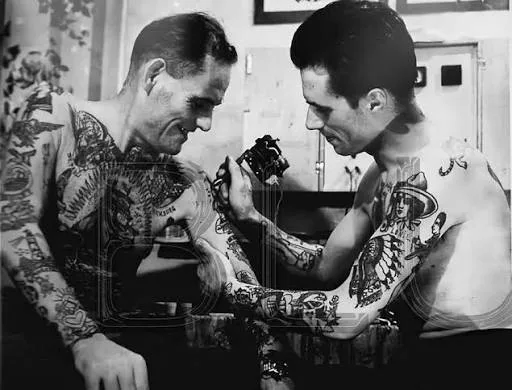
I’ve been getting tattooed since 1995, which means I’ve had the privilege of watching tattoo culture transform from something whispered about to something celebrated. It also means I’m old enough to remember when getting a tattoo in Oklahoma was illegal. For roughly the first decade I was collecting tattoos, I drove to Texas or got work done while traveling because my own state had decided tattooing was a bridge too far. Oklahoma, at the time, held the unique distinction of making tattooing illegal while cockfighting remained legal. Whenever someone from out of state asked me to describe Oklahoma, that was always my favorite fact to share because, somehow, it explained everything.
The cultural shift since then has been incredible. Tattoos have gone from something that could quietly cost you a job interview to something proudly worn by doctors, lawyers, teachers, accountants, and soccer parents. What was once viewed as rebellion is now recognized for what it always was: a legitimate art form. As someone who has loved tattoos for over thirty years, I couldn’t be happier about that. Tattoo artists deserve the respect they’ve earned, and many of today’s artists are producing work that would have been unimaginable when I got my first pieces.
Somewhere along the way, though, another transformation happened, and this one has left me scratching my head with my heavily tattooed hand. Getting a tattoo used to be wonderfully simple. You called the shop or walked in. If the artist had time, you got tattooed. If not, you made an appointment. Today, before you can even ask about a tattoo, you often need to decipher what feels like the application process for a secret society. Books open every third Monday. Email only. Actually, don’t email. DM only. Use the exact subject line or your message will be deleted. Don’t send reference images. Please send six reference images. By the time I’ve finished reading the instructions, I’ve forgotten what I wanted tattooed.
To be fair, I understand why some of this exists. Great artists receive hundreds, sometimes thousands, of inquiries. They need systems or they’d spend their lives answering emails instead of tattooing. I don’t fault anyone for protecting their time. What fascinates me is when practical systems slowly become part of the performance. The booking process itself starts to feel like branding, another way of communicating exclusivity.
The same thing seems to have happened with pricing. I was recently quoted over $500 an hour for a tattoo. I didn’t argue. I didn’t negotiate. I simply stared at my phone long enough that it probably thought I’d fallen asleep. And before anyone sharpens their tattoo needles in the comments, let me be clear: I want artists to make great money. Tattooing is physically demanding, technically difficult, and permanent. If you’ve built a years-long waiting list and people are thrilled to pay premium prices, more power to you. Get that bag. But there comes a point where I stop comparing your hourly rate to other tattoo artists and start comparing it to everyone else. Five hundred dollars an hour is no longer “an expensive tattoo.” It’s “my accountant just became self-conscious.”
What makes me laugh isn’t really the price. Markets are markets. If clients happily pay it, then that’s simply supply and demand doing what supply and demand does. The part that feels contradictory is the image. Many of these same artists embrace the aesthetics of American traditional tattoo culture: denim jackets, work boots, old trucks, grease stains, blue-collar iconography, and the visual language of working-class America. Meanwhile, the business model quietly says, “This service is primarily available to people with substantial disposable income.” There is absolutely nothing wrong with luxury, and there’s certainly nothing wrong with success. There is, however, something undeniably funny about looking like you could rebuild a carburetor in the parking lot while charging hourly rates that would make a corporate attorney nod in approval.
Ironically, I think I’m beginning to see the next generation rebel against all of this. More younger artists seem interested in transparent pricing, simpler booking, and making the experience feel welcoming rather than exclusive. In an unexpected twist, answering messages promptly and making appointments easy is starting to feel like the rebellious move. History loves a pendulum. Tattoos began as outsider culture. Then they became mainstream. Then parts of the industry became luxury experiences. My guess is we’re watching the swing back toward accessibility, and if that’s true, I think it will be good for both artists and clients.
Despite all my good-natured grumbling, I love tattoos more today than I did in 1995. I have enormous respect for the artists who dedicate their lives to this craft, and some of my favorite people make their living with machines, ink, and extraordinary talent. This isn’t really a criticism of tattooing. It’s simply the observation of someone who’s been around long enough to watch an anti-establishment art form slowly become part of the establishment. And if the next rebellion turns out to be making tattoos easier to book, friendlier to experience, and affordable enough that the average blue-collar worker can once again fill their arms with ink, then that’s a movement I’ll happily support. Mostly because I’d still like to get a few more tattoos before I die.