A pause in war is not worthless. Let me say that plainly before the machinery of tribal interpretation starts chewing on the furniture. As a pacifist, I want the fighting to stop. I want the bombs to stop. I want the drones grounded, the missiles shelved, the ships unthreatened, the civilians alive, the children asleep in houses that remain houses by morning. A ceasefire, even a fragile one, matters because human beings matter. The first moral obligation in war is to stop the killing.
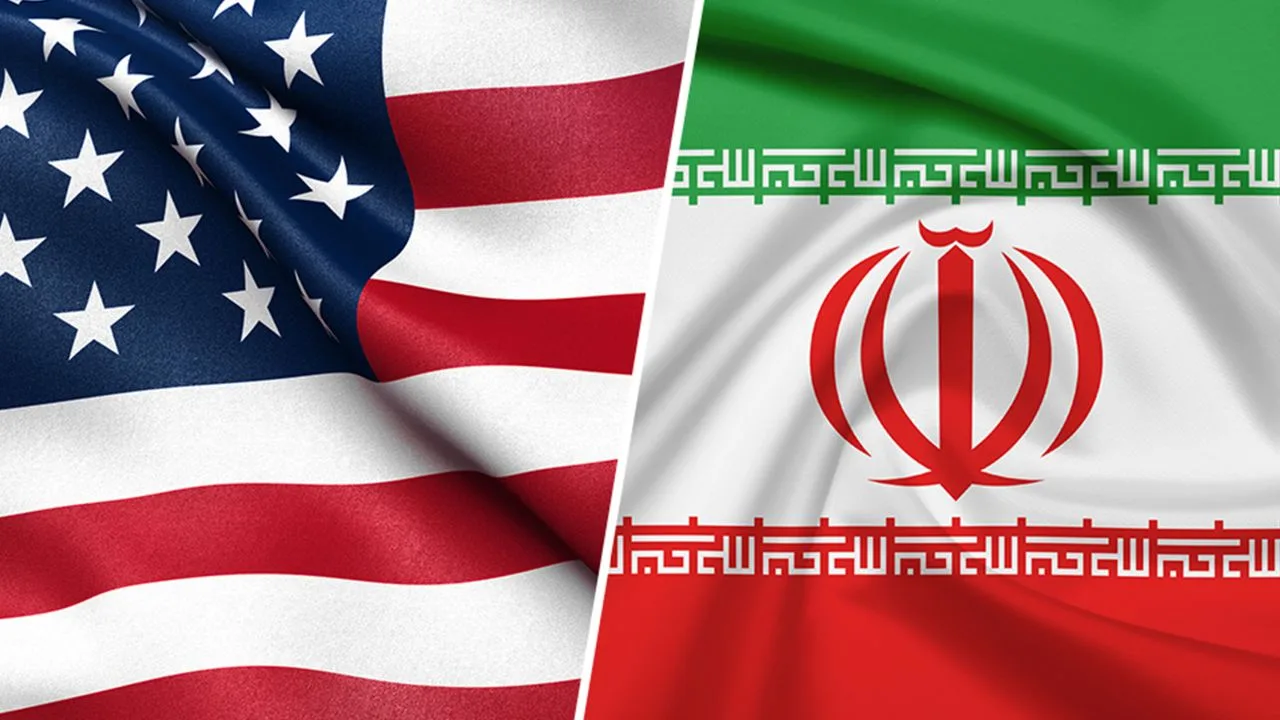
But stopping the bleeding does not magically justify the wound. And this is where the current spin around the U.S.-Iran memorandum becomes not just frustrating, but darkly comic in the way empire is often darkly comic: men in suits standing in front of flags, solemnly congratulating themselves for partially repairing the catastrophe they helped create.
The emerging story is being sold in some corners as a great U.S. victory. We are meant to admire the toughness, the leverage, the strategy, the magnificent chessboard mind of American power. But from what has been publicly reported, the memorandum appears to be less a victory than a tourniquet. Reuters has described the agreement as preliminary and uncertain in key details, while Axios reports that it extends the ceasefire for 60 days, reopens the Strait of Hormuz, and moves the central nuclear questions into further negotiations rather than resolving them now.
So congratulations, I suppose. We bombed our way into a future meeting.
The absurdist-Zen version is this: we bombed the uncertainty to make it certain, and now the uncertainty is radioactive, underwater, under rubble, monetized through oil shipping, and scheduled for a follow-up appointment.
That is the line I cannot get out of my head, because it captures the perfect idiocy of modern war logic. The promise is always clarity. We are told violence will simplify the board. It will establish deterrence. It will restore order. It will send a message. But the actual message usually arrives garbled, smoking, and translated into several new dialects of resentment. The problem does not disappear. It mutates.
Before the strikes, we had a dangerous and imperfect situation. After them, we have a dangerous and imperfect situation with more dead people, less trust, damaged infrastructure, a shaken global economy, and a diplomatic process that now has to climb out of the crater left by the policy genius brigade. The root issue was supposedly Iran’s nuclear program. Yet the interim arrangement, at least as reported, does not resolve that issue. It pauses the immediate fighting and moves the hardest questions into the next room.
That does not make the pause bad. It makes the victory lap ridiculous.
There is a strange moral laundering that happens when violence is followed by negotiation. The negotiation is treated as proof that the violence worked, rather than evidence that the violence made negotiation urgently necessary. It is like setting your kitchen on fire, spraying down half the room, and then demanding applause because the refrigerator survived. Technically, yes, thank you for the water. But perhaps we should discuss why you were holding a flamethrower next to the cereal.
The Strait of Hormuz piece makes the whole thing even more revealing. AP reports that even with a tentative deal to reopen the strait, normal oil flow could take weeks or months because of trapped vessels, mine clearance, logistical complications, and lingering safety concerns. In other words, the system is not healed. It is limping. But oil prices react, markets exhale, officials declare momentum, and the machine begins its favorite ritual: pretending economic relief is the same thing as peace.
This is the mirror war holds up to power. Under stress, the priority becomes flow. Oil flow. Shipping flow. Market flow. Narrative flow. The deeper moral questions are deferred. The dead are folded into abstractions. The rubble becomes leverage. The unresolved nuclear question becomes phase two. The unhealed regional wounds become complexities. And somewhere, some communications team drafts the word “historic” with a straight face.
A ceasefire is mercy. I will not mock mercy.
But I will mock the imperial confetti cannon being fired over a memorandum that appears to say, in essence, “We have stopped punching each other long enough to discuss whether the house is still on fire.” That is not triumph. That is an emergency pause with a press release.
If this holds, lives may be saved. That matters more than any pundit’s scoreboard. But the work of peace is not the same as the branding of victory. Peace requires humility, repair, accountability, and a willingness to admit that violence often produces the very uncertainty it claims to destroy.
So yes, let the fighting stop. Let the ships move. Let diplomats sit in rooms and do the slow, unglamorous work that should have been chosen before the bombs.
But please spare us the victory parade.
The knife is still in the room. The blood is still on the floor. And the memorandum, however necessary, is not a medal. It is a note taped to the door saying: try not to make this worse.