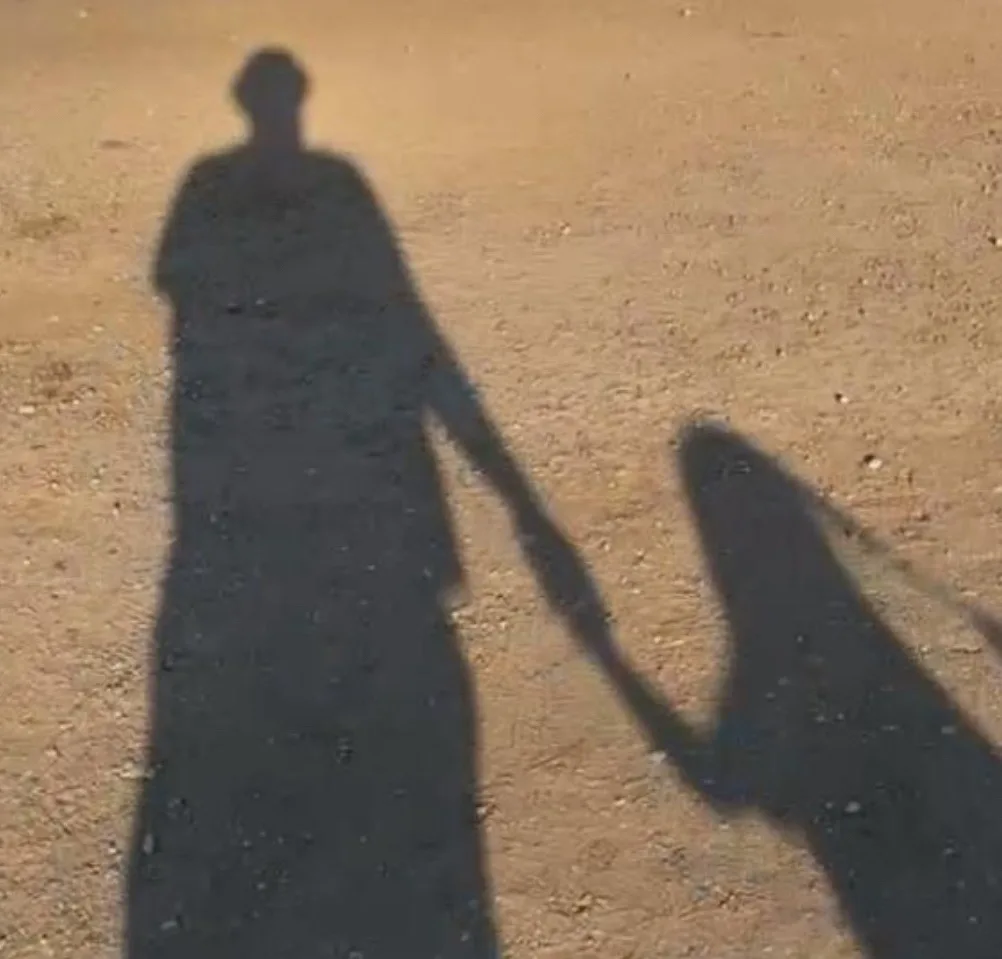
I assumed, growing up, that the hard conversations I’d one day have with my child would be about sex, drugs, and the importance of choosing your friends wisely. That’s what the old sitcoms and school assemblies trained me to expect: a moment of stammering, awkward pauses, maybe a deep sigh before launching into “the talk.”
But here I am, the Dada of an extraordinary seven-year-old, and so far, no conversation has made me hesitate. We talk about everything—bodies, death, joy, art, mistakes. There has been no taboo between us. Or at least, there wasn’t.
Lately, I’ve felt something closer to dread—not because of her questions, but because of the answers I know I’ll soon have to give. The day is coming, not far off, when the gentle spell of her childhood will thin. When I will have to begin explaining the world not as it could be, but as it is. A world where people are hated for the way they look or who they love. A world where money is worshiped more than wisdom. A world where being a girl means being watched, ranked, followed, and warned. A world where laws are written to erase people she knows and loves. A world where the planet itself is burning while the adults in charge mostly shrug.
What I can’t rehearse is the look in her eyes when she realizes that none of this makes sense. When she sees that the world doesn’t work the way the stories say it does. That kindness and logic and fairness are not rules everyone agreed to follow. The conversation won’t be hard because we lack trust or language. It will be hard because I know I will break something inside her.
And still, I must.
Because innocence without clarity becomes danger. Because trust without truth becomes betrayal. And because I would rather be the one to hold her through that heartbreak than leave her to encounter it alone—on a screen, in a schoolyard, or in the quiet moment when she realizes no one is coming to explain it.
She sees the world with a kind of rightness that feels almost defiant. Everyone is worthy. Everything is possible. Love is love. Bodies are bodies. Money is strange. Nature is home. She doesn’t know that this worldview is revolutionary. She thinks it’s just obvious. And maybe that’s the thing I most want to protect—not her from the truth, but the truth inside her from being crushed by the world. Her clarity isn’t ignorance; it’s insight. It’s a kind of wisdom that hasn’t yet been injured. What I want is not to correct it, but to help her carry it forward without letting it be shattered.
So I’m practicing now. Practicing how to name what’s real without poisoning what’s possible. Practicing how to offer truth without handing her fear. Practicing how to talk about danger without making her feel doomed. Practicing how to honor her outrage when it arrives and help her aim it toward justice rather than despair.
Because I don’t want her to lose her fire when she finally sees the world clearly. I want her to know what it’s for.
That’s the work I’m preparing myself for. Not preserving her innocence, but transforming it into something stronger—something durable. A kind of lucid courage. So that when the world eventually reveals itself—cracked, burning, and absurd—she doesn’t think, This is hopeless. She thinks, I knew it would be like this. My Dada told me. And I am ready.