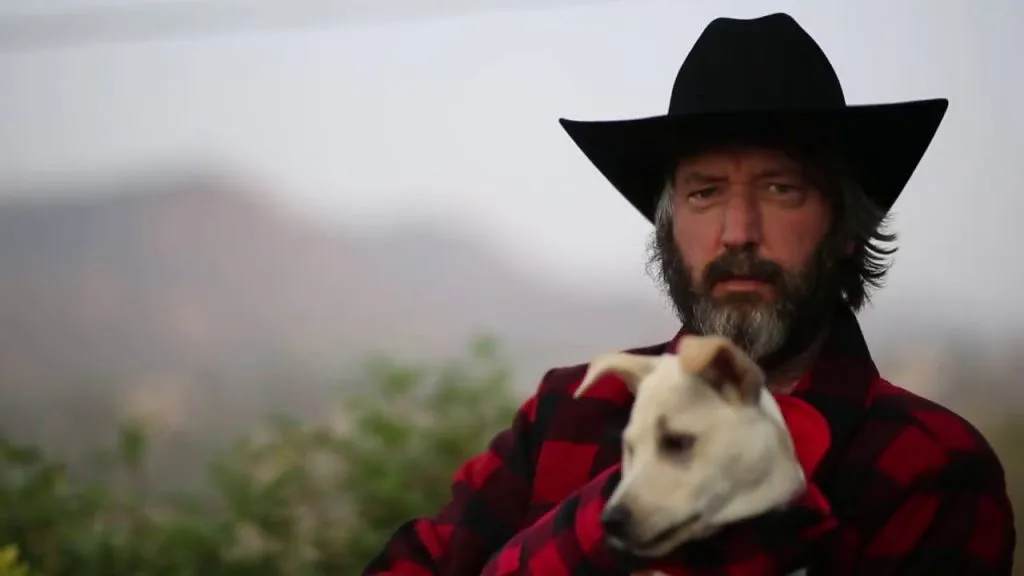
I’ve followed pop culture for as long as I can remember. As a kid in the 80s, I was glued to MTV, absorbing whatever strange, loud, and unpredictable energy it threw my way. Over the years, there have been plenty of artists and personalities I’ve respected, but there’s one whose journey has stayed with me in a different way. Not because of what he accomplished, but because of who he allowed himself to become: Tom Green.
Like most people, I first encountered him in his most chaotic form. The prank calls, the surreal bits, the kind of humor that felt like it was barely contained within the frame of television. It was loud, absurd, and often uncomfortable. “My bum is on your face” wasn’t just a joke; it was a kind of cultural rupture. At the time, it felt like pure randomness, like someone had figured out how to break reality on purpose. Looking back now, I don’t think it was random at all. It was just unrefined.
What’s remarkable isn’t that Tom Green started there. It’s that he didn’t stay there. Life, as it tends to do, forced him into places where that outward projection wasn’t enough. Fame has a way of distorting everything around you. Cancer has a way of stripping everything down. Somewhere in that collision between success, mortality, and identity, he arrived at a crossroads. One path was obvious: double down. Become a caricature of the thing that worked. Stay loud. Stay external. Stay performing. The other path was quieter: reflection.
And what I’ve found most inspiring is that he chose it. Over time, something shifted. The same person who once built a career on chaos began to turn inward. You can see it in the long-form conversations he now has, in the way he listens, in the way he speaks. There’s a patience there that didn’t exist before. A softness that feels earned, not adopted.
His travels during COVID, the time spent alone, the decision to live more simply, his life on The Green Farm, and even his appearance on LOL: Last One Laughing Canada all feel like extensions of that same evolution. On LOL, his humor was still unmistakably Tom Green, but it felt sharpened—the old absurdity focused through a newer, more integrated version of himself. These weren’t merely aesthetic changes or content pivots. They reflected a shift in how he seems to relate to life and creativity. You can feel that he gave himself time to sit with his own mind, to observe it, to understand it. And that changes a person. Not overnight. Not magically. Slowly, through repetition and through the willingness to look.
What stands out to me isn’t that he changed, but how he changed. The energy didn’t disappear. It integrated. The absurdity is still there, but now it’s held with awareness instead of simply being unleashed. The chaos became something he could relate to rather than something he had to constantly express. He didn’t lose himself. He met himself.
And in doing so, he became softer. That softness, I think, is often misunderstood. It’s easy to assume it comes from age or fatigue, as if the edges just wore down over time. But that’s not what this feels like. This feels intentional. The result of someone who has spent years reflecting, processing, and choosing not to harden. Because that was always the other option: to become rigid, to lock into an identity, to turn into a fixed version of yourself and defend it for the rest of your life.
We see that everywhere. People crystallize. They become who they were at a certain point and stay there, reinforcing the same beliefs, the same patterns, the same version of themselves over and over again. There’s comfort in that, but there’s also a kind of stillness that comes with it. Tom Green never seemed to fully crystallize. He kept moving. More importantly, he kept reflecting.
And that’s the difference. Life may have forced him into those moments through illness, fame, isolation, and reinvention, but reflection was still a choice. He could have ignored it. He could have stayed external. He could have kept performing instead of observing. He didn’t. He slowed down enough to see himself clearly.
And that, more than anything he’s ever created, is what I admire most. His journey reminds me that becoming isn’t about adding more layers. It’s about being willing to sit with what’s already there long enough for it to change you. Not all at once, but over a lifetime.