Six weeks ago, I checked in on my year of health and wrote about what had happened since starting Dad Quest five months earlier. The little RPG we’d built to gamify calorie tracking had long since lost its appeal, but somehow I hadn’t stopped making progress. I’d lost twenty-five pounds, taken care of medical and dental work I’d avoided, dramatically changed my relationship with alcohol, and started paying attention to things like sleep and exercise. At the time, I joked that I hadn’t abandoned Dad Quest. I’d internalized it. The game ended because the player had learned the mechanics.
Apparently the next level involved a colonoscopy and Disney World.
Life is absurd.
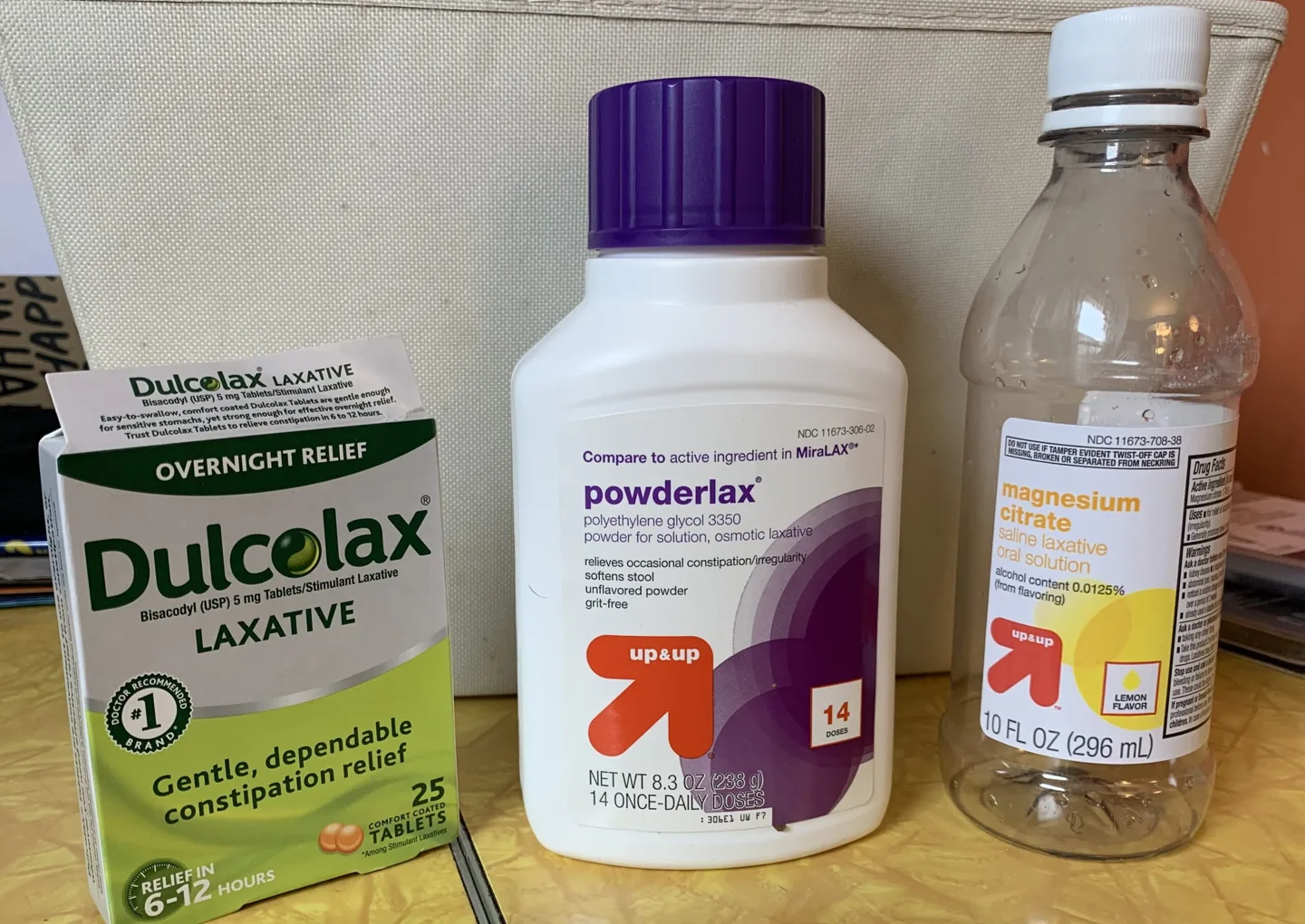
Shortly after writing that last update, I had a colonoscopy. Nothing particularly interesting there. I’m 47, it was time, and thankfully the results were perfect. But the process itself unexpectedly changed something. Between the prep beforehand and not feeling particularly great for a couple of days afterward, I essentially didn’t eat for several days. There was maybe one actual meal scattered somewhere in there. This wasn’t an intentional fast or some grand health experiment. It was a colonoscopy. I was just trying to get through it and return to normal life.
But when I finally emerged on the other side, I noticed something strange: I hadn’t really been that hungry. I had certainly wanted to eat. There were all sorts of moments when my brain informed me that this was normally when food happened. But underneath the habit, actual hunger wasn’t nearly as loud as I’d expected. That distinction fascinated me. How often was I eating because my body was asking for food, and how often was I eating simply because it was morning, noon, evening, I was bored, something looked good, or eating was simply what came next?
So I decided to play with it. Rather than immediately returning to my old routine, I started eating primarily around dinner. And somewhat amazingly, it felt natural. I’m still eating around 1,500 calories most days, usually spread across the two or three hours I’m making, cooking, and eating dinner. The important part, at least experientially, is that dinner doesn’t feel like deprivation. I make essentially whatever sounds good. I don’t spend the meal staring sadly at three leaves of spinach while dreaming about pizza. I eat food I enjoy until I’m satisfied. The constraint I’ve stumbled into is mostly when I eat rather than constantly thinking about all the things I’m not allowed to have.
To be very clear, I’m not recommending this to anyone. This isn’t a diet newsletter, I’m not a doctor, and I have absolutely no interest in becoming the 47-year-old guy on the internet explaining how everyone else should eat. I’m documenting an experiment with a sample size of one: me. Bodies are different, circumstances are different, and what feels remarkably natural to me right now may evolve again. That’s actually becoming part of the lesson. I’m less interested in finding The Correct System than I am in paying attention when my own relationship with health changes.
Which brings us, naturally, from colonoscopies to Mickey Mouse.
Around the same period, we spent five days at Disney World. Over the course of the trip we walked somewhere around seventy miles. I expected to be exhausted. I expected my feet to hurt. I expected my body to eventually file a formal complaint with management. And I was tired. But something else surprised me: my body felt good. Really good. By the end of the trip I wasn’t thinking, “Thank God I can finally stop moving.” I was realizing that sustained movement had made my body feel better than it had in a long time.
So once again, rather than returning home and returning to normal, I wondered what would happen if I caught the opening.
I started riding the exercise bike every day.
And I haven’t stopped.
That’s probably the most interesting thing about these last six weeks. Neither of the biggest changes came from some enormous act of discipline. I didn’t wake up one Monday morning, pound my fist on the table, and announce that THIS TIME EVERYTHING WILL BE DIFFERENT. A medical procedure disrupted my normal eating patterns long enough for me to notice something about hunger. A family vacation forced me to move far more than usual long enough for me to notice something about my body. Both experiences created little openings in routines I’d carried for years. My contribution was simply recognizing the openings and deciding not to immediately close them.
I’ve continued experimenting since then. Most days I eat one substantial meal during that evening window. I’ve added one day each week where I don’t eat at all. I ride the bike every day. I’m now down more than forty pounds since beginning this year of health, and, more importantly, I feel fantastic. I have energy. My body feels better. Exercise is becoming something I expect and enjoy rather than an obligation hanging over me. Eating feels less like an endless series of negotiations with myself. For the first time in a long time, I don’t feel like I’m perpetually fighting my body in an attempt to become healthier.
That last part may be the real change.
For most of my life, I imagined getting healthy as an exercise in discipline. The healthier version of me was somewhere over there, and if I could just develop enough willpower, enough motivation, enough rules, enough tracking, enough force, I could drag this version of myself across the distance between us. Dad Quest itself came from that assumption. If normal calorie tracking couldn’t hold my attention, maybe experience points and RPG mechanics could trick me into doing what I knew I should do.
And you know what? It worked. It just didn’t work in the way I expected.
Dad Quest created enough structure to get me moving. Then the structure became unnecessary. Other experiences arrived. I paid attention. I experimented. Slowly, the thing that once required enormous conscious effort started requiring less of it. Six weeks ago I wrote that I was beginning to become the healthier person I’d been trying to create. Today I think I understand that process a little better.
Maybe sustainable change isn’t always about becoming strong enough to force yourself to live differently. Maybe sometimes it’s about experimenting long enough to discover a way of living that requires less forcing. I love that idea, particularly as someone who has spent an unreasonable amount of time developing something called Forcing Theory. Apparently even forcing occasionally teaches you when to stop forcing.
I’m not declaring victory. I’ve lived long enough to know better than that. There will be vacations, holidays, bad days, injuries, plateaus, enormous cheeseburgers, and mornings when the exercise bike can go fuck itself. My current eating pattern may change. My exercise routine almost certainly will. I don’t need any of this to remain exactly as it is today for the trajectory to continue.
That’s another thing this year has taught me. The system can change without the trajectory changing. Dad Quest disappeared. I kept going. Motivation fluctuated. I kept going. My eating changed. I kept going. My relationship with exercise changed. I kept going.
When I started this year of health back in February, I had no idea what success would look like. I certainly wouldn’t have predicted that a colonoscopy and five days at Disney World would become two of the most consequential health interventions of the year, but here we are. Life apparently has a sense of humor.
I’m down more than forty pounds now. I’d love to finish the year somewhere around sixty or seventy pounds lighter than where I began. I won’t pretend the number doesn’t matter to me. It does. But increasingly, it doesn’t feel like the most important measurement anymore.
The real goal is February. Not because February represents a finish line, but because I want to arrive there and discover that there isn’t one. I want to look back at a year that began with an app and calorie counting and see that somewhere along the way the project stopped being getting healthy and simply became how I live.
Six months ago, that sounded difficult. Today, strangely enough, it feels natural. Apparently all it took was Dad Quest, forty pounds, a colonoscopy, seventy miles of Disney World, and an unreasonable amount of experimentation to figure that out. Nobody said evolution had to be efficient.