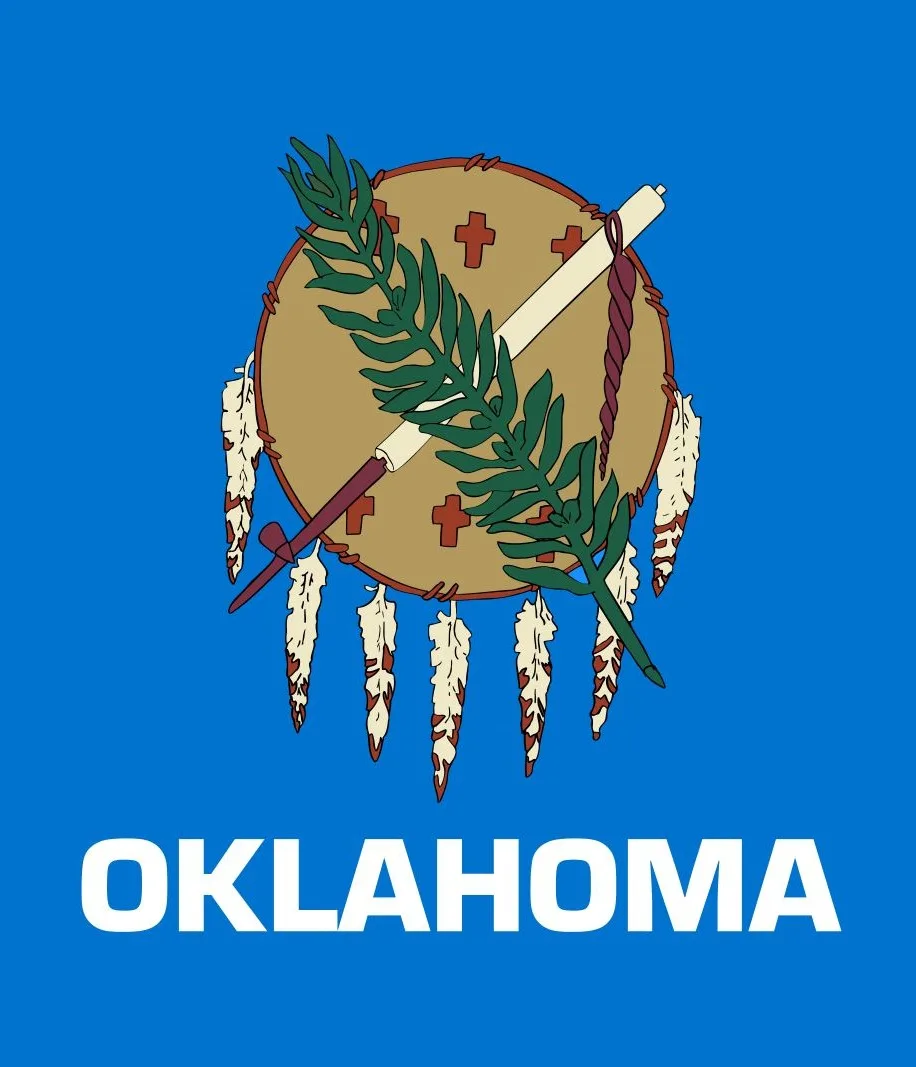
Texas celebrates independence. Colorado celebrates mountains. California celebrates possibility. Oklahoma has searched for generations for the story it wants to tell the world, often looking toward oil fields, cattle ranches, football, Route 66, or the red dirt beneath our feet. Those things are certainly part of who we are, but I’ve come to believe we’ve been overlooking the most extraordinary part of our identity all along.
We live in one of the few places on Earth where dozens of sovereign Native nations continue to thrive, govern, create art, preserve languages, pass down traditions, and shape the future. Their cultures are not relics locked behind museum glass. They are living, evolving communities that exist nowhere else in the world in quite the same way. That isn’t simply Oklahoma’s history. It is Oklahoma’s present. And I believe it should become a much larger part of how we think about ourselves as a state.
Let me be clear about something before going any further. I am not suggesting that Native culture should become my culture. Cultures belong to the people who have nurtured and protected them through generations, often at unimaginable cost. My wife and daughter are Cherokee citizens, yet even our family doesn’t actively participate in Cherokee cultural life. Those traditions deserve to remain authentic expressions of the people who carry them forward. What I am advocating is something entirely different. As Oklahomans, I believe we should become some of the strongest supporters of the tribal nations that call this state home. Their continued flourishing enriches every one of us, regardless of our ancestry.
Growing up in Oklahoma, I learned about Indian Territory as though it were simply a chapter in a history book. It was presented as something that existed before statehood, an important but completed story. As I’ve grown older, I’ve realized how incomplete that perspective was. Indian Territory didn’t disappear. It transformed. Today, thirty-eight federally recognized tribal nations call Oklahoma home. Thirty-eight governments. Thirty-eight distinct cultures. Thirty-eight histories, languages, artistic traditions, and ways of seeing the world that continue to evolve every single day. Most places would build an entire identity around something this remarkable. We often acknowledge it politely before moving on to something else.
I think that’s a missed opportunity—not only culturally, but morally.
The forced removal of Native peoples remains one of the deepest wounds in American history. Nothing we do today can erase that suffering or undo what was taken. But perhaps Oklahoma has an opportunity unlike any other place in the country. Perhaps the story doesn’t have to end with tragedy. Perhaps this can become the place where resilience is celebrated, where sovereignty is respected, where languages are revitalized, where artists and educators are elevated, and where cultures that survived every attempt to erase them are honored not because we feel obligated to do so, but because they are among the greatest treasures our state possesses.
Whenever I listen to tribal leaders speak, I rarely hear voices trapped in resentment. I hear people investing in education, healthcare, business, conservation, language preservation, and community. I hear pride without arrogance. Stewardship without entitlement. A deep commitment to ensuring that future generations inherit something stronger than what they themselves received. Those are qualities any society should admire. They are qualities worthy of partnership.
Imagine if Oklahoma truly embraced this reality. Not as a marketing campaign or political slogan, but as a genuine expression of who we are. Imagine our schools teaching tribal history as an essential part of Oklahoma’s story rather than an isolated chapter. Imagine visitors traveling here not only for football games or Route 66 but because Oklahoma became known as the place where Indigenous cultures continue to flourish with vitality and dignity. Imagine our state taking pride not in speaking for tribal nations, but in creating every opportunity for them to speak for themselves.
Some people may worry that celebrating Native cultures somehow diminishes American identity or overshadows everyone else’s heritage. I believe the opposite is true. America’s strength has always rested in its ability to acknowledge the fullness of its story rather than simplifying it. Recognizing the richness of our Native nations doesn’t diminish anyone else’s identity. It deepens our own understanding of the place we call home.
As someone born and raised in Oklahoma, Native culture is not my culture, but it is undeniably part of the cultural landscape that shaped me. It is woven into our geography, our place names, our history, our neighbors, our families, and our future. It exists alongside my own identity, not in competition with it. Appreciating that doesn’t require claiming it. It requires respect. It requires curiosity. It requires the humility to recognize that one of the greatest gifts Oklahoma has been given is something we did not create but have the privilege of living beside.
For years we’ve asked what makes Oklahoma unique. Maybe we’ve been asking the wrong question. We don’t need to invent an identity or manufacture a brand. We already possess something extraordinary. Few places in the world have the opportunity to stand beside such a concentration of living Indigenous cultures, each carrying generations of wisdom, beauty, resilience, and hope.
The greatest way to honor history isn’t to relive it. It’s to ensure the cultures that survived it continue to flourish.
If Oklahoma ever hopes to tell a story the world remembers, I believe that story begins there.